Health and Safety Policy for Cleaners EC1
 Our health and safety policy for cleaners EC1 sets out a practical approach to protecting staff, clients, and visitors during everyday cleaning work. It is designed to support safe working habits, reduce risks, and promote consistent standards across a wide range of cleaning tasks. Whether work takes place in offices, residential buildings, or shared environments, the same core principle applies: cleaning should be carried out carefully, with hazards identified in advance and sensible controls in place.
Professional cleaners often handle chemicals, equipment, waste, and wet surfaces, so risk awareness is essential. This policy encourages a proactive culture in which every cleaner understands their responsibilities and uses safe methods at all times. By following clear procedures, teams can help prevent slips, trips, strains, and exposure to harmful substances. A well-managed cleaning health and safety approach also supports reliable service quality and a safer workplace overall.
 All cleaning staff should receive appropriate instruction before beginning work, including how to use products correctly, how to manage spillages, and how to recognise common site hazards. Training should also cover manual handling, safe lifting, and the correct use of personal protective equipment. When cleaners are confident in safe techniques, they are better able to protect themselves and others while maintaining high standards.
Core Safety Principles
Every EC1 cleaner health and safety policy should begin with the basic duty to prevent avoidable harm. This means carrying out a simple risk assessment before work starts, checking whether floors are slippery, equipment is damaged, or ventilation is adequate. It also means ensuring that cleaning tasks are scheduled sensibly so that workers are not rushed into unsafe practice. Careful planning reduces pressure and helps maintain a controlled environment.
Safe chemical use is another priority. Cleaning products must be stored securely, clearly labelled, and used in accordance with instructions. Staff should never mix substances unless they have been specifically authorised to do so, as dangerous reactions may occur. Where possible, less hazardous alternatives should be used. Health and safety for cleaners in EC1 depends not only on the products chosen, but also on the discipline with which they are handled.
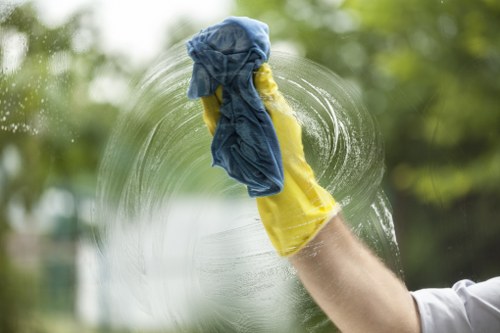
 Suitable personal protective equipment should be available and worn when required. Gloves, aprons, eye protection, and non-slip footwear can all reduce risk when used correctly. PPE should be kept clean, maintained in good condition, and replaced when damaged. It is also important that workers understand that protective equipment is the final layer of control, not a substitute for safe systems of work.
Working Practices and Risk Control
Good housekeeping supports safety throughout the shift. Cables should be managed to avoid tripping hazards, cleaning signs should be placed where floors are wet, and clutter should be removed from work areas before vacuuming or mopping begins. Equipment should be inspected regularly so that faults are identified early. A strong cleaner safety policy EC1 creates habits that reduce incidents before they happen.
Manual handling must be considered whenever cleaners move bins, supplies, furniture, or heavy equipment. Loads should be assessed before lifting, and workers should use safe postures, avoiding twisting and overreaching. If a task seems too heavy or awkward, mechanical aids or team lifting should be used. These measures help prevent back injuries and strain, which are common concerns in cleaning work.
Supervision plays an important role in maintaining standards. Managers or team leaders should monitor working methods, correct unsafe behaviour quickly, and encourage staff to report concerns without delay. Professional cleaners EC1 should feel able to raise issues such as broken equipment, missing warning signs, or repeated exposure to unpleasant conditions. A culture of open reporting supports improvement and keeps minor problems from becoming serious incidents.
Incident Reporting and Emergency Response
Any accident, near miss, or unsafe condition should be reported and recorded promptly. Accurate reporting helps identify trends and informs future prevention measures. If a cleaner is injured, the first priority is to stop the task safely, provide assistance, and seek further help if required. Emergency procedures should be straightforward, well understood, and suitable for the type of premises being cleaned.
In the event of chemical exposure, spills, fire, or sudden illness, cleaners must follow site-specific emergency arrangements and remain calm. Staff should know how to isolate hazards where possible and how to alert the appropriate responsible person. A clear EC1 cleaning safety policy ensures that people do not improvise in emergencies and instead respond in a controlled, sensible way.
First aid provision should be suitable for the working environment, and basic emergency equipment should be available where necessary. Cleaners must also understand when it is safe to continue working and when a task should be paused. Protecting health is just as important as completing the cleaning schedule, and no assignment should take priority over immediate safety.
Health, Hygiene, and Responsibility
Cleaning work can involve contact with dust, waste, bodily fluids, or contaminated surfaces, so hygiene standards must remain high. Workers should wash their hands at suitable intervals, avoid touching their face while working, and dispose of waste in a hygienic manner. Where required, suitable measures should be taken to manage exposure to allergens or irritants. These routines support both individual wellbeing and the overall quality of the service.
Health monitoring should be considered for staff who are regularly exposed to repetitive tasks or chemical products. Early attention to symptoms such as skin irritation, headaches, or musculoskeletal discomfort can prevent longer-term problems. An effective health and safety policy for cleaning teams EC1 should encourage workers to speak up if they feel unwell, rather than continuing in conditions that may worsen their health.
 At all times, responsibility for safety is shared. Employers must provide training, equipment, and supervision, while cleaners must follow instructions, use protective measures, and report concerns promptly. When both sides take their responsibilities seriously, the result is a more reliable and safer working environment for everyone involved.
Continuous Review and Improvement
 This policy should be reviewed regularly to ensure it remains effective, practical, and aligned with actual working conditions. Changes in equipment, products, building layouts, or staffing can create new risks that need to be addressed. Regular review helps keep the cleaners health and safety policy in EC1 relevant and responsive, rather than static or outdated.
Ongoing improvement may include refresher training, updated risk assessments, better storage arrangements, or revised methods for specific tasks. Even small changes can make a meaningful difference when they reduce repetitive strain, prevent spills, or improve communication. By treating safety as an ongoing responsibility, cleaning operations can maintain a professional standard while protecting the people who deliver the work.